
请输入关键字
Summer Palace
Introduction
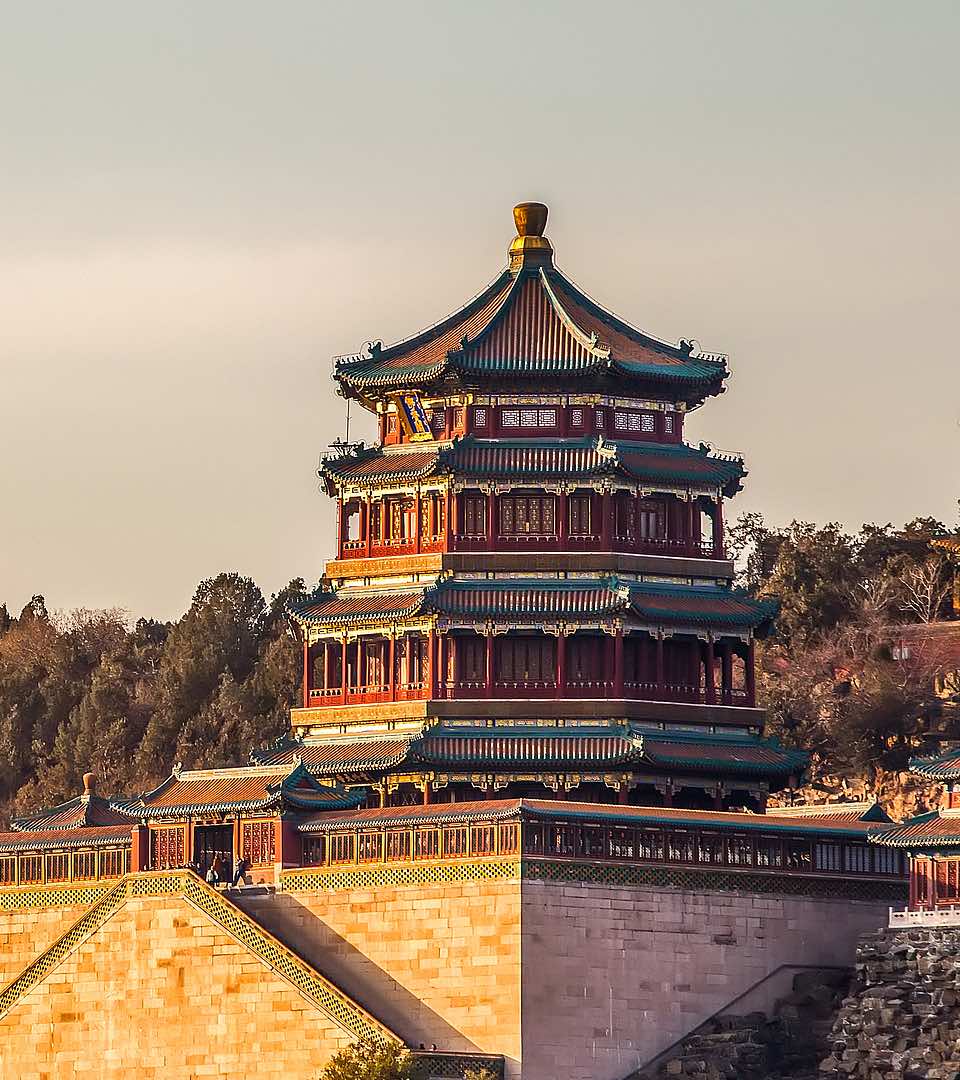
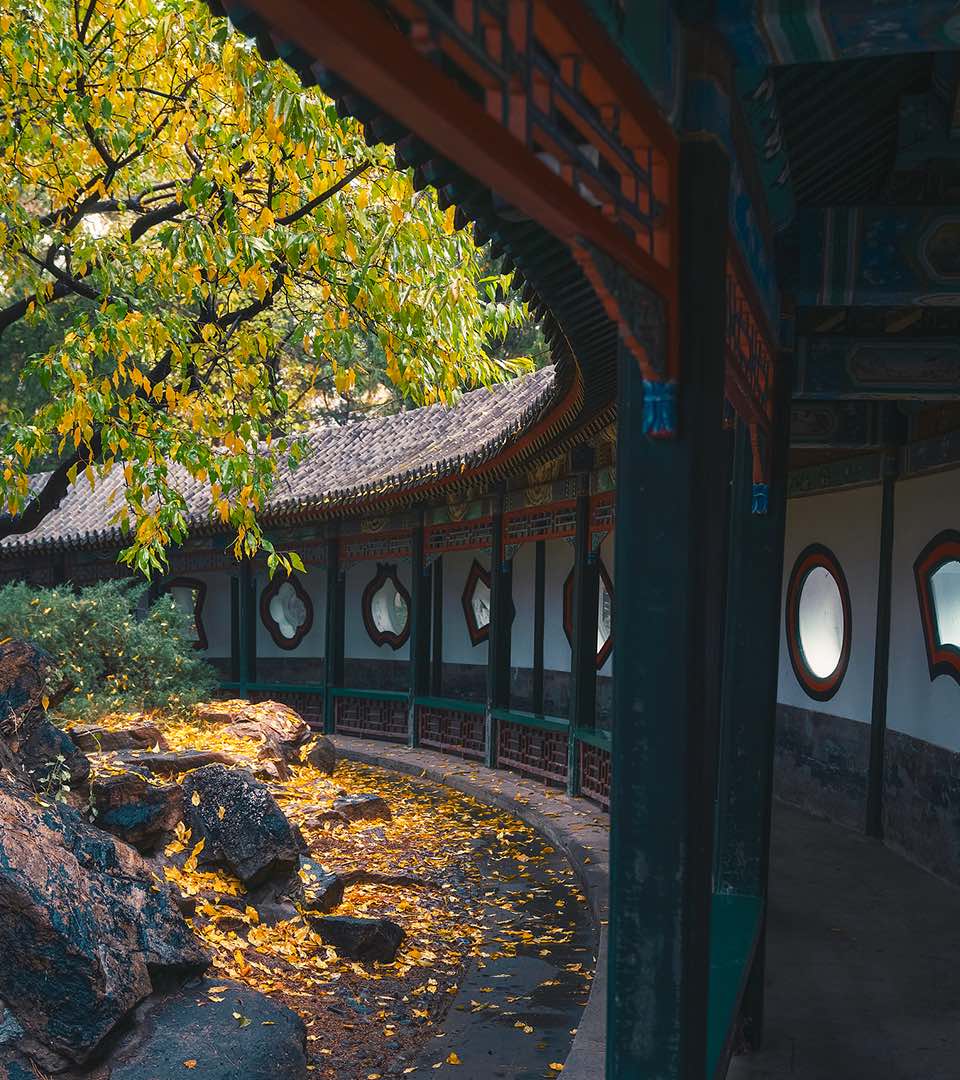
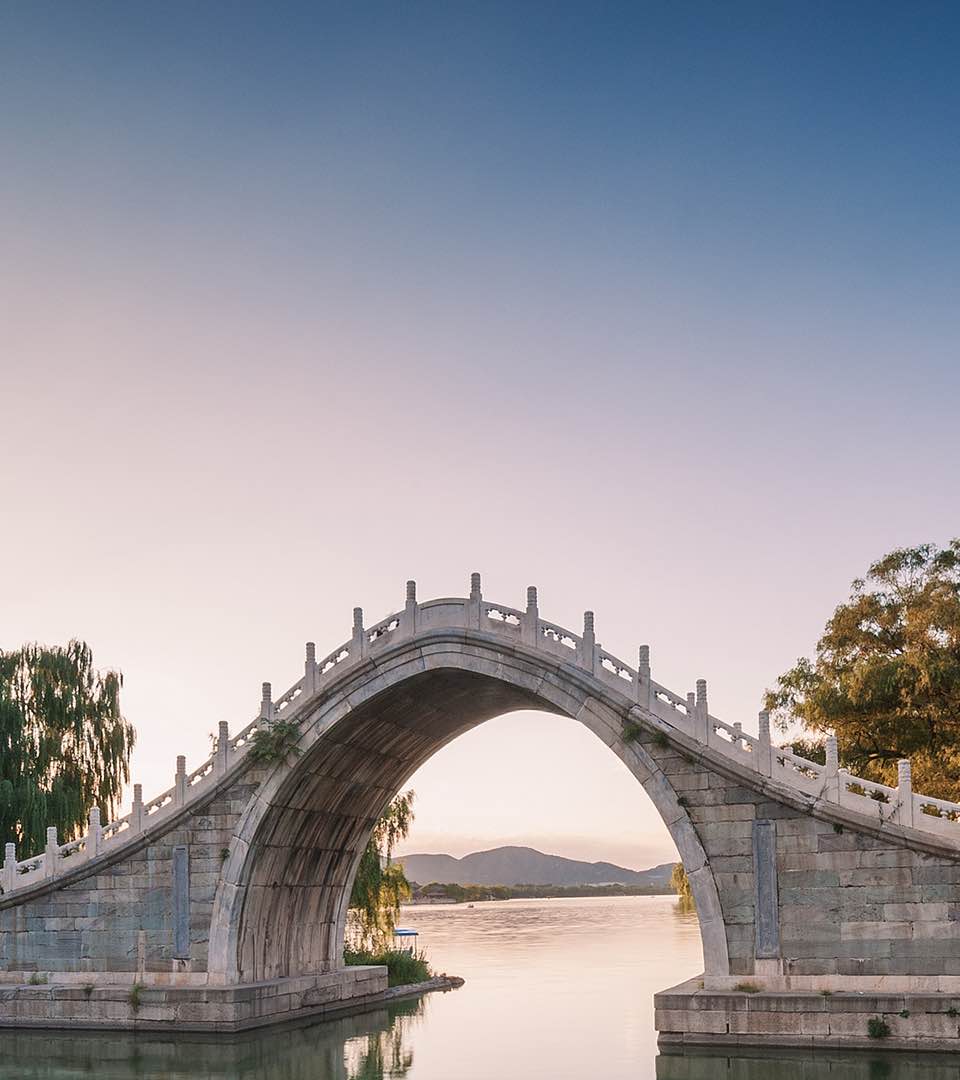
The landscape of the Summer Palace, dominated mainly by Longevity Hill and Kunming Lake, covers an area of 3.09 square kilometers, three quarters of which is covered by water. Its 70,000 square meters of floor space accommodate a variety of palaces, gardens and other traditional-style architectural structures. Well known for its large and priceless collection of cultural relics, it was among the first historical and cultural sites in China to receive special protection from the state.
The Summer Palace, originally named Qingyi Yuan, or the Garden of Clear Ripples, was first constructed in 1750. It was razed to the ground by the Anglo-French Allied Forces in 1860. The Qing government began to rebuild it in 1886 with funds misappropriated from the Imperial Navy and other sources. Renamed Yihe Yuan two years later—often rendered as the Garden of Nurtured Harmony—it was intended to serve as a summer resort for the Empress Dowager Cixi. Also known as the Summer Palace, it was ravaged again by the Allied Forces of the Eight Powers that invaded China in 1900, and the damage was repaired in 1902. Since the founding of the People’s Republic of China, the Summer Palace has undergone several major renovations. Its major attractions, such as the Four Great Regions, Suzhou Street, the Pavilion of Bright Scenery, the Hall of Serenity, the Wenchang Galleries and the Plowing and Weaving Scenery Area, have been restored one after another.
The Summer Palace is a monument to classical Chinese architecture, in terms of both garden design and construction. Borrowing scenes from the surrounding landscape, it radiates not only the grandeur of an imperial garden but also the beauty of nature, in a seamless combination that best illustrates the guiding principle of traditional Chinese garden design: “The works of men should match the works of Heaven.” In December 1998, UNESCO inscribed the Summer Palace on its World Heritage List with the following comments:(1) The Summer Palace in Beijing is an outstanding expression of the creative art of Chinese landscape garden design, incorporating the works of humankind and nature in a harmonious whole.(2) The Summer Palace epitomizes the philosophy and practice of Chinese garden design, which played a key role in the development of this cultural form throughout the East.(3) The imperial Chinese garden, as exemplified by the Summer Palace, is a potent symbol of one of the major world civilizations.
more
Opening Hours
Park
April 1 – October 31
06:00
Opens
~
19:00
Last entry
~
20:00
Closes
November 1 – March 31
06:30
Opens
~
18:00
Last entry
~
19:00
Closes
Opening Hours
Garden within the Garden
Tower of Buddhist Incense (Foxiangge)
Garden of Virtue and Harmony (Dehe Yuan)
The Summer Palace Museum, Suzhou Street
(closed on Mondays, except on national public holidays)
April 1 – October 31
06:00
Opens
~
17:30
Last entry
~
18:00
Closes
November 1 – March 31
08:30
Opens
~
16:30
Last entry
~
17:00
Closes
Opening Hours
Pavilion of Nurturing Clouds (Yangyun Xuan),
Chamber of Clearness (Jiqing Xuan),
Hall of Increasing Longevity (Yishou Tang)
The Farming and Weaving Scenic Area
Naval Training School
South Lake Island
(closed on Mondays, except on national public holidays)
April 1 – October 31
08:00
Opens
~
18:00
Closes
November 1 – March 31
08:30
Opens
~
17:00
Closes
01
/
Peak season: April 1 – October 31
Admission ticket: RMB 30 per person
Combined ticket: RMB 60 per person
Garden-within-the-Garden scenic spots: Garden of Virtue and Harmony (Dehe Yuan), RMB 5 per person; Tower of Buddhist Incense (Foxiang Ge), RMB 10 per person; Suzhou Street, RMB 10 per person; Summer Palace Museum, RMB 20 per person.
Off-season: November 1 – March 31
Admission ticket: RMB 20 per person
Combined ticket: RMB 50 per person
Garden-within-the-Garden scenic spots: Garden of Virtue and Harmony (Dehe Yuan), RMB 5 per person; Tower of Buddhist Incense (Foxiang Ge), RMB 10 per person; Suzhou Street, RMB 10 per person; Summer Palace Museum, RMB 20 per person.
Combined tickets include the main admission ticket and individual tickets for the Garden-within-the-Garden scenic spots. Admission tickets, combined tickets and individual tickets for the Garden-within-the-Garden scenic spots are all available at half price for eligible visitors.
more
Boat Tour Information
Operating period: mid-March to mid-November
Self-drive electric boats
Cruise ferry routes
Charter services
Reminders
Self-drive electric boats

Boat type: 6-seat electric boats

Boarding piers: Yulantang Pier, Wenchangge Pier, Bafangting Pier.

Boats must be returned to their original pier.

Price: RMB 200 per boat per hour; deposit: RMB 600.

Hours: ticket sales from 08:30 to 16:30; boats operate until 17:30.

more
Cruise ferry routes

Large ferries operate on the following 11 routes.
Hours: 08:30–17:30. Children under 1.2 meters in height, when accompanied by an adult, ride for free.

1. Bronze Ox Pier – Shizhangting Pier: one-way fare: RMB 40 per person.

2. Marble Boat Pier – North Nanhu Island Pier: one-way fare: RMB 40 per person.

3. Seventeen-Arch Bridge Pier – Suyunyan Pier: one-way fare: RMB 40 per person.

4. Suyunyan Pier – Suzhou Street Pier: one-way fare: RMB 30 per person.
(A separate ticket is required for Suzhou Street, a garden-within-the-garden scenic spot.)

5. Paiyun Gate (lake circular route): one-way fare: RMB 40 per person.

6. Jingminglou Pier – West Nanhu Island Pier: one-way fare: RMB 30 per person.

7. Jade Belt Bridge Pier – West Nanhu Island Pier: one-way fare: RMB 30 per person.

8. South Ruyi Gate Pier – South Nanhu Island Pier: one-way fare: RMB 30 per person.

9. South Ruyi Gate Pier – Dui’ou Fang Pier: one-way fare: RMB 40 per person.

10. Changguan Tang Pier – South Nanhu Island Pier: one-way fare: RMB 40 per person.

11. Changguan Tang Pier – South Xidi Pier: one-way fare: RMB 40 per person.

more
Charter services

Hours: 08:30–17:30.

Boat types and prices:

Small sightseeing boats (open-air painted boats, 20 or 30 seats): RMB 3,000 per hour.

Small luxury sightseeing boats (enclosed painted boats, 10 or 12 seats): RMB 4,000 per hour.

Large sightseeing boats (open-air painted boats, 75, 80 or 98 seats): RMB 8,000 per hour.

Reservations: 17200391416 / 17200391418.

Notes: Business charters must be booked by phone at least 24 hours in advance. Charter services are unavailable on public holidays.

more
Reminders

Operations will be suspended during strong winds of force 4 or above, heavy rain, weather alerts or sudden severe conditions. Please follow the official Summer Palace Weibo account or announcements at piers and entrances.

Please plan your visit according to operating hours. Waiting times may be long on weekends and public holidays; consider visiting during off-peak times.

Wear a life jacket while on board. Remain seated and stable during travel; no running or rough play. Children must not operate the boats.

Maintain good behavior. Do not throw trash into the water. Do not disturb or feed waterfowl or other wildlife.

more
Exhibitions more
A Story of Gardens VI – The Timeless Charm of Classical Chinese Furniture
Furniture has accompanied human life across time and space—from the simple wooden stakes and stools of our ancient ancestors to majestic thrones, from reed mats to high beds with curtains. It has continuously developed and evolved alongside the progress of human civilization. With its distinctive development path and artistic style, furniture permeates every aspect of social life and is closely connected with people’s daily needs—clothing, food, housing and travel.
Classical Chinese furniture is especially remarkable. Its structure derives from architecture, its lines from calligraphy, its charm recalls sculpture, its rhythm echoes music, and its spirit is rooted in China. As a treasure of the world’s cultural heritage, it holds a unique place among the arts of living.
In the choice of precious hardwoods and in the use of mortise-and-tenon joinery, time itself is the best testament to the quality of classical Chinese furniture, surpassing any praise in words. The meticulous craftsmanship embodied in each piece reflects the spirit of ancient Chinese artisans. Let us step into the world of classical Chinese furniture and experience the harmony and refinement of traditional Chinese culture.
more
Exhibitions more
A Story of Gardens V – Integration and Development of Famous Gardens in North and South China
Chinese classical gardens have a history of more than 3,000 years, which can be traced back to the you (parks) of the Shang and Zhou dynasties. Originating in the north and flourishing in the south, they entered a mature stage in the Ming and Qing dynasties, when their scale and artistic achievement reached a peak. Among them, the imperial gardens in the north and the private gardens south of the Yangtze River are the two most representative types. Each has its own distinctive character, yet they have always influenced one another, integrating and evolving, innovating while inheriting tradition and learning through imitation. Together they have created the natural charm that “although man-made, a garden must appear ingenious and natural” and the poetic realm in which “a painting becomes a garden, and the garden becomes a painting”. They embody the philosophical wisdom of “harmony between man and nature; the gentleman values virtue” and have long served as a spiritual homeland for the Chinese people.
Today, as precious cultural heritage, the famous gardens of north and south China still provide an inexhaustible source of inspiration, satisfying people’s longing for a better life and playing an important role in the inheritance and development of Chinese culture with their unique charm.
more